
Shanthi, Kumari, and a home in Palakkad
Two years before The Happiness Project was formalised, Ananthu built a house for Shanthi, Kumari, and their mother in Palakkad district, Kerala. This is a note about that project, why he did it, and how it sits in the arc of the work that has come since.
Shanthi, Kumari, and their mother
Shanthi and Kumari are sisters. They live with dwarfism and are aged between thirty-three and thirty-five years old. They live in Palakkad district, alongside their mother, who has cared for them since their father died of cancer when the sisters were young.
Before 2024, the three of them lived in a shed on a small piece of land the family owned. The walls were shallow brick. The roof was a tarpaulin sheet. It was small, hot, and exposed to the weather. Beyond the daily discomfort, there was no separate space for the sisters’ teaching work, and no accessibility features for the specific ways Shanthi and Kumari move through a house.
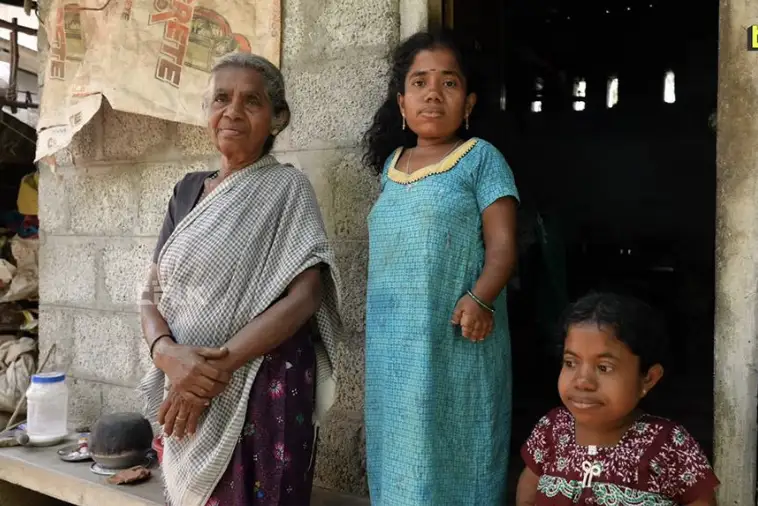
They ran tuition classes from that shed. Children from the neighbourhood came to study there. Shanthi and Kumari taught Maths and other basic subjects to primary school students, and the fees they collected covered part of the household’s expenses. Their mother, who had no income of her own, ran the home. It was not a lot, but it was theirs.
How the story reached Ananthu
In early 2024, somebody shared their story on Instagram, and the post travelled across Malayalam social media over a few days.
Ananthu saw the post and got in touch. He visited Palakkad personally, met the family, and offered immediate financial support to cover the more urgent expenses. He also committed to building them a house.
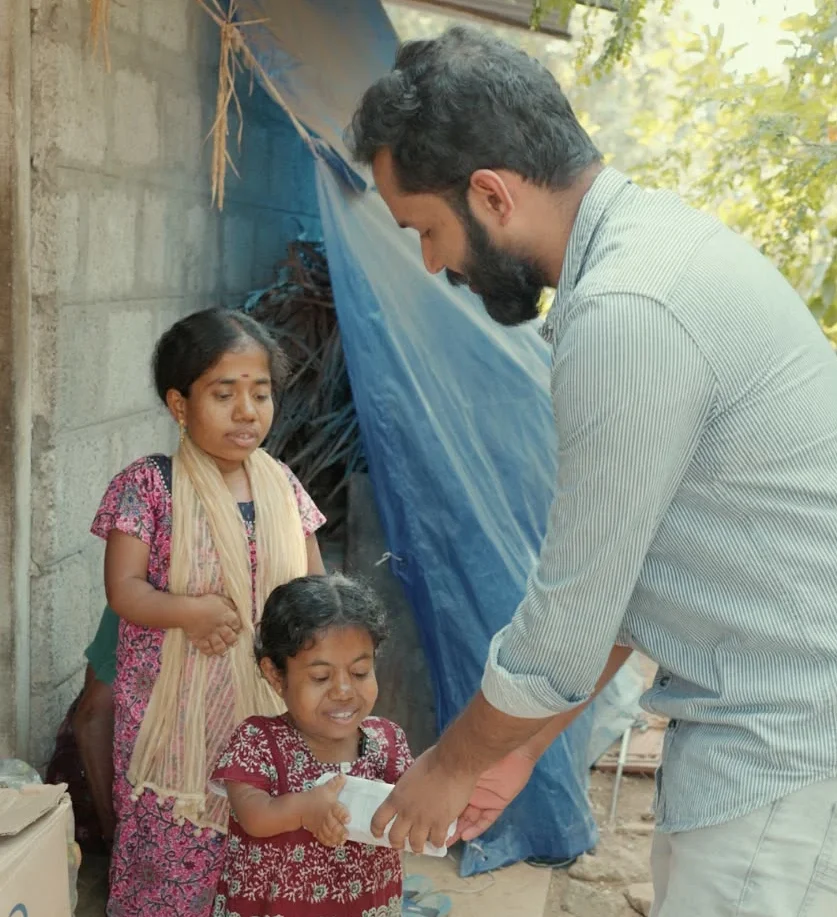
The house
The house was designed and built through a contractor the team onboarded, LBS Builders, and handed over on 9 August 2024. It is a 2BHK, built on the family’s own land, and specifically designed for how Shanthi, Kumari, and their mother actually live.
Accessibility features were built in from the start. The steps of the house were made to the sisters’ height. The kitchen has two working levels, one scaled for the sisters and one for their mother. Furniture across the house is at the sisters’ height. One of the bathrooms is designed for the sisters’ access, alongside a standard one for their mother.
The house has enough room to be used as a teaching space, so the sisters can continue their tuition classes without carrying their students through the living area.
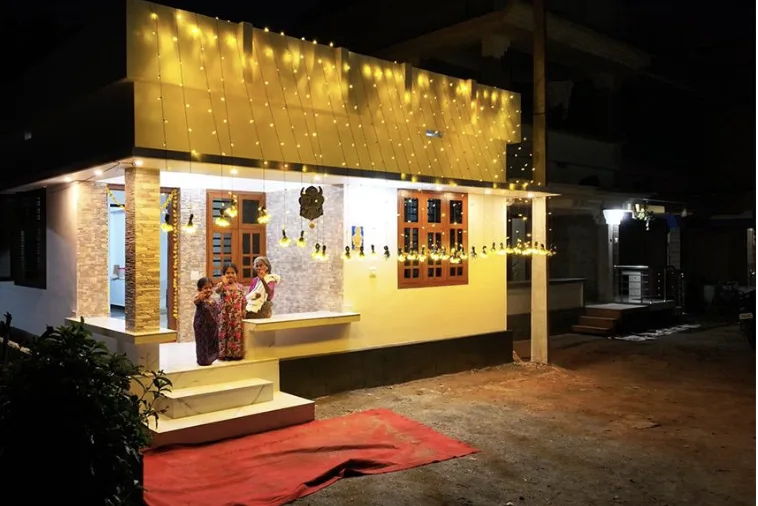
At the housewarming, the children Shanthi and Kumari teach attended the event, alongside the family. The house was theirs from the first day.
Where they are now
Shanthi, Kumari, and their mother continue to live in the house. The tuition classes continue. The three of them are self-sustaining for daily needs on the income from the classes.
The specific problem the project set out to solve, that of a safe, accessible home for a family that owned the land but not a home fit to live in, is solved.
For Shanthi Chechi and Kumari Chechi, the house is not a story about our work. It is their home, and their daily life.

© 2026 Happiness Project. Kerala, India.